Knee Injuries – Understanding the Pain and Getting Back on Your Feet

Related Posts

Recovering From a Sports Injury – When Is It Safe to Return to Activity?

Unsure when to return to exercise after a sports injury? Discover the importance of rebuilding movement, strength and confidence through gradual rehabilitation. Nichola Wilding offers personalised physiotherapy in your own home across Eynsham and West Oxfordshire, helping you plan your next steps towards the activities you enjoy.
Acupuncture for Musculoskeletal Conditions – Could It Help You?
Explore acupuncture and physiotherapy in the comfort of your own home with Nichola Wilding. Learn what treatment involves, why suitability assessment and informed consent are essential, and how to enquire about home visits across Eynsham, Witney, Oxford and surrounding West Oxfordshire communities.
Persistent Pain – Why Your Symptoms May Keep Returning
Does your back, neck or joint pain keep coming back? Explore factors that may contribute to recurring symptoms and how personalised physiotherapy can support strength, mobility and confidence. Nichola Wilding provides care in your own home across Eynsham, Witney, Oxford and surrounding West Oxfordshire communities.
Neck Pain and Stiffness – When Should You See a Physiotherapist?
Neck pain and stiffness can make working, sleeping and everyday movement uncomfortable. Discover when to seek help, how physiotherapy may support your recovery and what to expect from a personalised home assessment with Nichola Wilding across Eynsham, Witney, Oxford and surrounding West Oxfordshire communities.
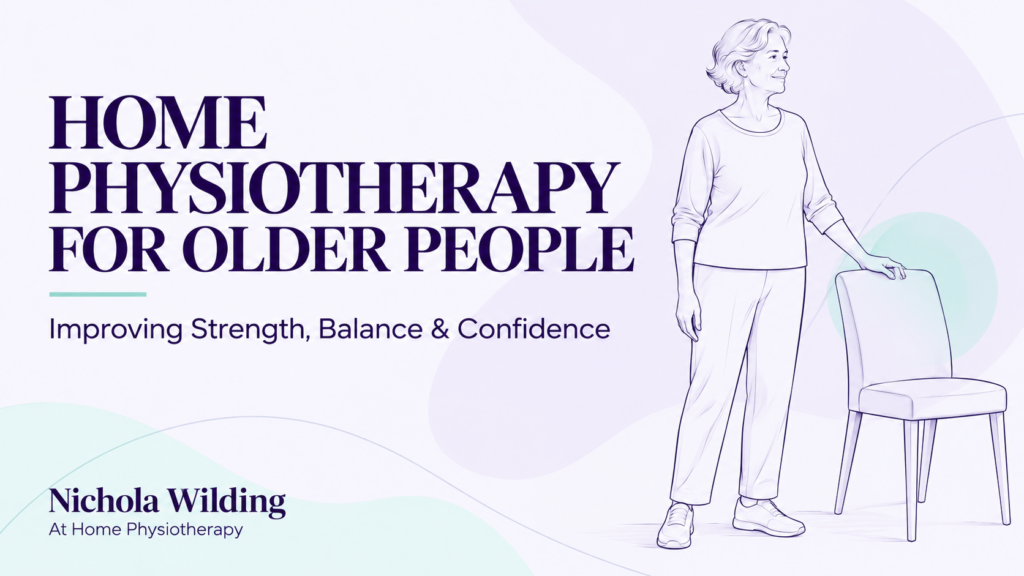
Home Physiotherapy for Older People – Improving Strength, Balance and Confidence
Home physiotherapy can help older people feel stronger, steadier and more confident in everyday life. Nichola Wilding provides personalised home visits across Eynsham and West Oxfordshire, supporting mobility, balance and independence without the difficulty of travelling to a clinic. Discover how practical support in familiar surroundings could help you or a loved one.
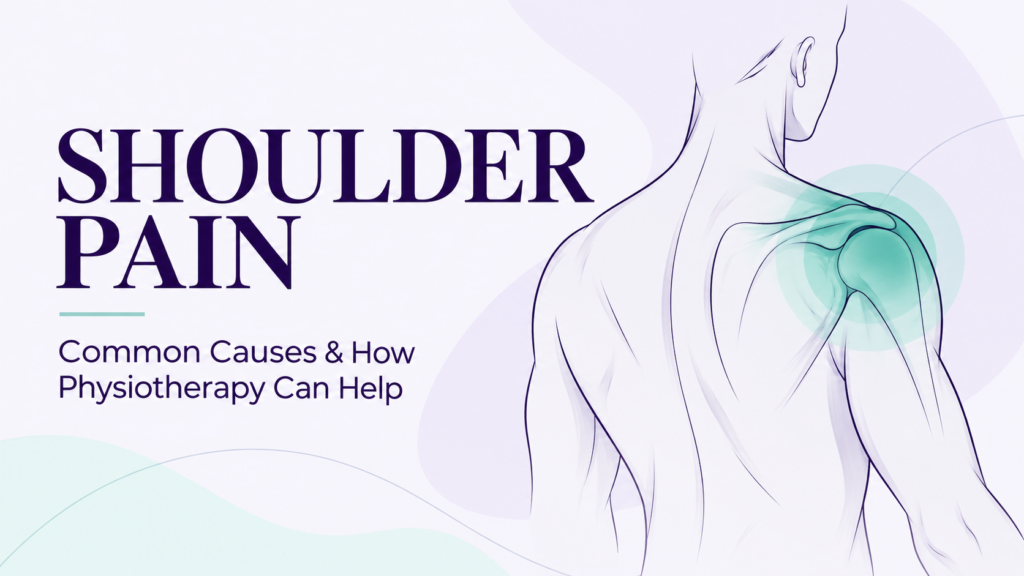
Shoulder Pain – Common Causes and How Physiotherapy Can Help
Shoulder pain can affect everything from dressing and driving to working and sleeping comfortably. Discover some of the common causes of shoulder pain and how personalised physiotherapy with Nichola can help improve movement, strength and everyday function at home across Eynsham, Oxford and West Oxfordshire.
Physiotherapy After Hip or Knee Replacement: Supporting Your Recovery at Home
Recovering after a hip or knee replacement continues long after leaving hospital. Discover how personalised at-home physiotherapy can support walking, strength, mobility and confidence. Nichola Wilding provides post-operative physiotherapy across Eynsham, Oxford and West Oxfordshire.
Can Physiotherapy Help with Arthritis and Joint Pain?
Can physiotherapy help with arthritis and joint pain? Discover how personalised exercises, mobility support and practical advice can improve strength, movement and confidence. Nichola Wilding provides at-home physiotherapy across Eynsham, Oxford and West Oxfordshire.

When Should You Seek Medical Advice for Back Pain?
Most back pain improves with movement and self-care, but certain symptoms should not be ignored. Nichola Wilding explains when to contact your GP, NHS 111 or the emergency services, with information for patients across Oxford, Eynsham and West Oxfordshire.
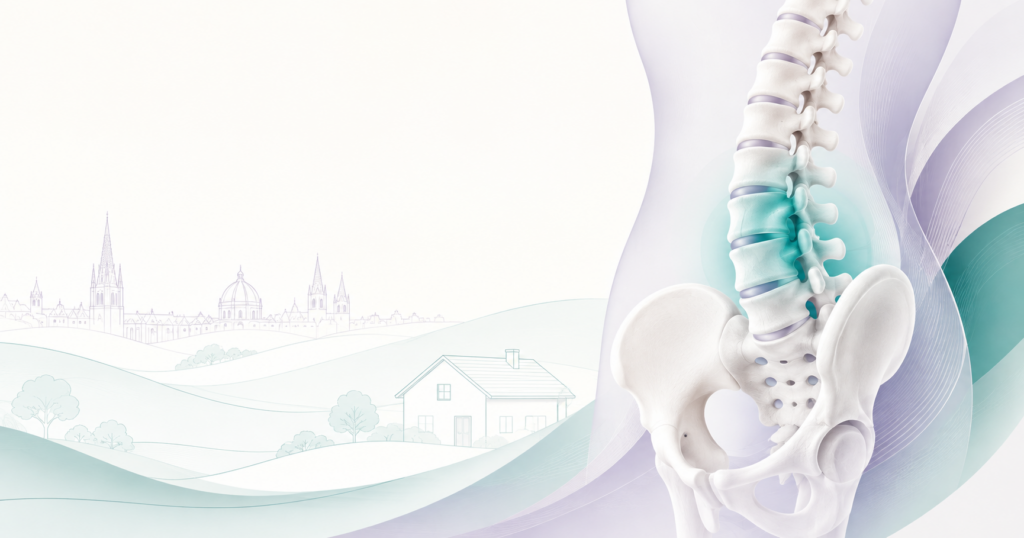
Lower Back Pain: When Should You See a Physiotherapist?
Lower back pain can affect your work, sleep, mobility and everyday life. Nichola Wilding provides personalised physiotherapy in the comfort of your home, helping people across Oxford, Eynsham and West Oxfordshire understand their symptoms, improve movement and return safely to their normal activities.
Sports Injury Recovery: Why Early Physiotherapy Matters
Recover from sports injuries with expert home physiotherapy in West Oxfordshire. Early treatment can reduce pain, restore movement and help you return to activity safely.
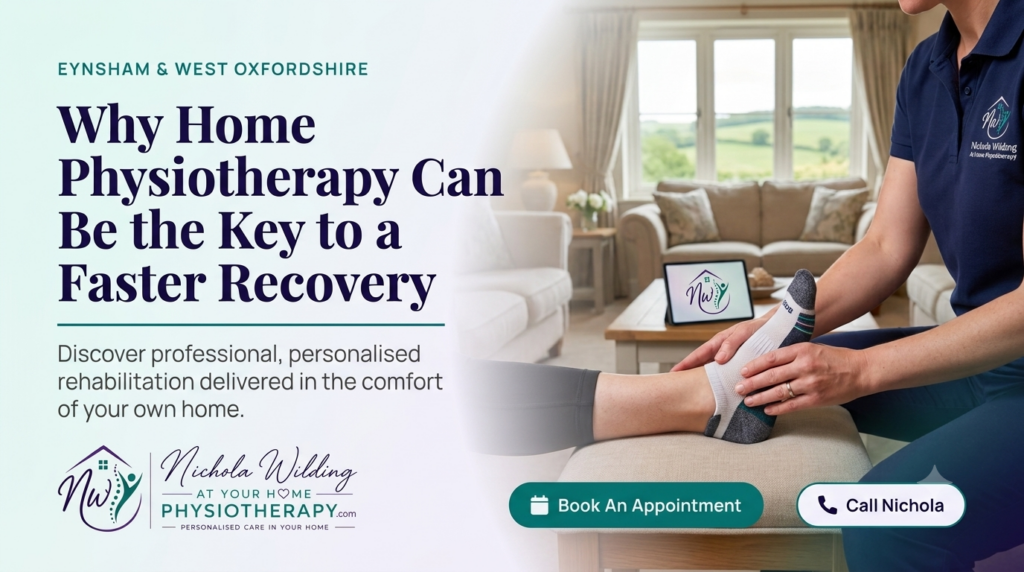
Why Home Physiotherapy Can Be the Key to a Faster Recovery
Recover faster with home physiotherapy from Chartered Physiotherapist Nichola Wilding. Expert treatment in your own home across Eynsham and West Oxfordshire. Book your appointment today - Why Home Physiotherapy Can Be the Key to a Faster Recovery | Nichola Wilding